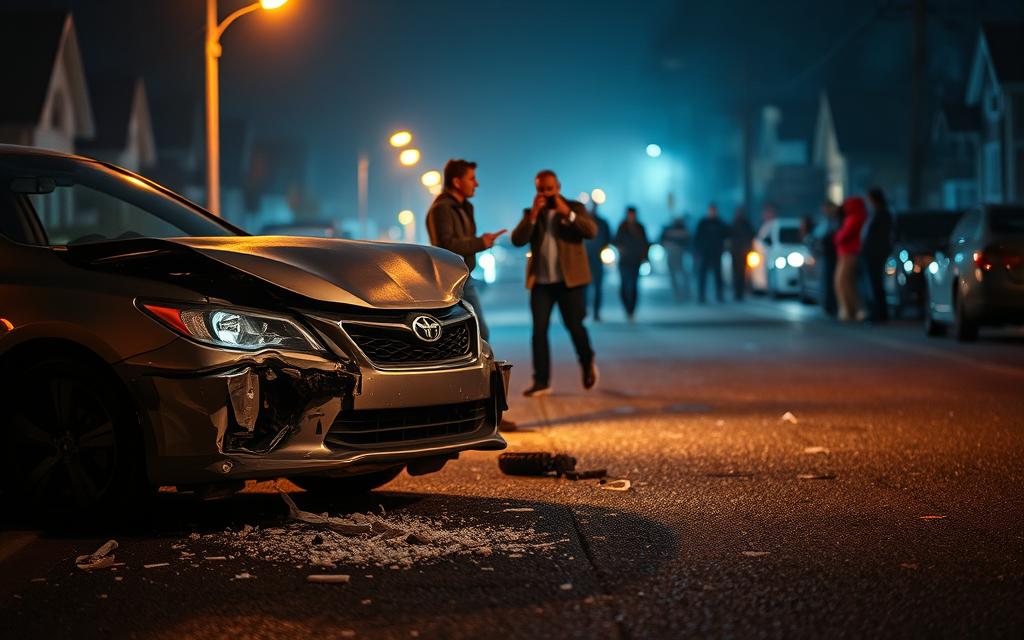
Car Accident with a Rental Car: What to Do and Who Pays
Ever thought about what to do if you get into a car accident with a rental car? It can be really confusing. There are many insurance policies and unclear rules.
Rental car accidents are different from regular car crashes. Knowing your rights and insurance can help a lot. It makes dealing with the accident easier.
This guide will help you understand rental car insurance. It will prepare you for any unexpected car troubles.
Key Takeaways
- Understand your rental car insurance coverage before driving
- Document everything immediately after an accident
- Know your rights and possible liability
- Contact both rental agency and insurance providers quickly
- Keep all evidence and medical records safe
Understanding Rental Car Insurance Policies
Rental car insurance can be hard to understand. But knowing what you have is key when driving a rental. The right policy can save you money if there’s an accident. It also gives you peace of mind while traveling.
Rental car insurance has many protection options. Here are the main types you’ll see:
- Collision Damage Waiver (CDW): This coverage keeps you from paying for car damage in an accident
- Liability Insurance: It covers damages you might cause to others or property
- Personal Accident Insurance: It gives medical help for you and your passengers
- Personal Effects Coverage: It protects your stuff while in the rental car
Potential Coverage Exclusions
Who pays for a rental car accident can vary. Some policies have exclusions that might leave you paying. Certain situations might not be covered, like:
- Driving on unpaved roads
- Driving outside approved areas
- Intentional damage to the vehicle
- Driving under the influence
Reading the Fine Print
The CDW explained in detail is very important. Always read your rental car insurance policy well. Know what’s covered and what’s not. Ask about anything you don’t understand. Think about extra coverage if the standard policy doesn’t cover enough.
Immediate Steps to Take After an Accident
Being in a car crash in a rented car is scary and stressful. Knowing what to do right after can keep you safe and protect your rights. This guide will help you through the first steps after a rental car accident.
Your safety is the most important thing after a crash. Here are the first steps to take:
- Check for injuries and move to a safe place if you can
- Turn on hazard lights to warn other drivers
- Call 911 if someone is hurt or if the car is badly damaged
Ensuring Personal Safety
Your health is the top priority in a rental car crash. Stay calm and think clearly. If you or someone else is hurt, call for help right away. Don’t move someone who is badly hurt unless they are in danger.
Contacting Authorities
It’s very important to call the police. They will make a report that helps with insurance claims and legal stuff. Ask for a copy of the report for your records.
Documenting the Scene
It’s key to gather evidence for your claim:
- Take pictures of the car damage from different sides
- Take photos of the accident scene, including the road and traffic lights
- Get the contact and insurance info of the other drivers
- Get the contact info of any witnesses
Pro tip: Use your phone to record details and take clear, well-lit photos. They will help prove your claim later.
How to File a Claim with Your Rental Car Company
Filing a claim for a rental car accident can be tough. But knowing the right steps makes it easier. It’s important to protect your interests after an accident.
The first moments after an accident are very important. You need to document and start your claim right away. Being prepared helps a lot.
Gathering Necessary Information
To file a claim, you need some important documents:
- Police accident report
- Detailed photographs of vehicle damage
- Contact information for all parties involved
- Insurance details of other drivers
- Rental car agreement
Contacting the Rental Agency
Talking to the rental company fast is key. Contact their claims department right away after the accident. Big rental companies have rules for accident claims.
Following Up on Your Claim
Keep your documents in order and stay active. Ask for a claim number and keep records of talks. Check on your claim often.
Every rental car company is a bit different. So, read their rules for filing a claim carefully.
What to Do if You Are Injured
Getting hurt in a rental car is scary and stressful. If you’re hurt in a rental car accident, it’s key to know how to protect yourself. This includes your health and your legal rights.

The first moments after a rental car crash are very important. They can affect how much money you might get and how you recover. It’s vital to know how to handle these situations to protect yourself.
Seeking Immediate Medical Care
First, take care of your health after a rental car injury. Here’s what to do:
- Get a full medical check-up
- Write down all your injuries, no matter how small
- Do what your doctor says to get better
- Ask for copies of your medical records
Documenting Your Injuries
It’s very important to document your injuries well for your claim. Keep a detailed journal of your injuries. This should include:
| Documentation Type | Purpose |
|---|---|
| Medical Reports | Shows how bad your injuries are |
| Photographic Evidence | Has pictures of the damage |
| Treatment Expenses | Tracks how much it costs |
Understanding Your Legal Rights
If you’re hurt in a rental car accident, you have rights. Talking to a personal injury lawyer can help you know what you might get for your injuries. This includes money for medical bills, lost work, and pain and suffering.
Don’t wait to take action. It’s important to do this quickly to get fair compensation for your injuries.
Who Is Liable in a Rental Car Accident?
Finding out who is to blame in a rental car crash can be tricky. It depends on many things like how the driver acted, the car’s condition, and the insurance. Knowing about rental car crash liability helps you protect your money and rights.
Rental car accidents can have many people to blame for the damage and who you might get money from. The main things that decide who is at fault include:
- Driver’s personal conduct
- Rental vehicle maintenance
- Insurance policy provisions
- Specific accident circumstances
Driver Responsibility
Most of the time, the driver is to blame in a rental car accident. They can be responsible if they:
- Break traffic laws
- Drive too fast or recklessly
- Don’t follow the rental agreement
- Drive while drunk or on drugs
Rental Company Obligations
Rental companies have to do certain things to keep everyone safe. They must make sure the cars are:
- Well-maintained
- Safe to drive
- Follow all safety rules
| Liability Factor | Driver Responsibility | Rental Company Responsibility |
|---|---|---|
| Vehicle Maintenance | Report existing issues | Ensure vehicle safety |
| Insurance Coverage | Verify personal/rental insurance | Provide clear policy information |
| Accident Reporting | Document incident details | Assist with claims process |
Insurance Questions to Consider
When dealing with rental car crash liability, renters should think about:
- Personal auto insurance coverage
- Credit card insurance benefits
- Supplemental rental car insurance options
- State-specific liability regulations
Understanding Liability Insurance Coverage
Travelers often find rental car insurance confusing. It’s key to know the different options for rental cars. This helps protect you if there’s an accident.
Drivers have many insurance layers when renting a car. These include:
- State minimum coverage requirements
- Personal auto insurance policies
- Rental agency supplemental insurance
- Credit card protection benefits
State Minimum Coverage Requirements
Every state has its own insurance rules for rental cars. These rules change a lot from state to state. This means drivers get different levels of protection.
Rental Agency’s Supplemental Insurance
Rental companies offer extra insurance for accidents. These plans help fill gaps in your personal insurance. They give you more peace of mind.
Personal Auto Insurance Considerations
Many personal auto policies cover rental cars. Drivers should check their policies to see what’s covered. This way, you know if you need more insurance.
Here’s how to check your coverage:
- Contact your current auto insurance provider
- Request detailed information about rental vehicle coverage
- Ask about specific limitations or exclusions
- Determine if supplemental coverage is necessary
Knowing your insurance options can save you money. It also gives you important protection when traveling.
The Role of Credit Card Insurance Benefits
Many travelers don’t know about a great resource for rental car insurance: their credit card benefits. Credit card companies offer protection that can save money and give peace of mind while traveling.
It’s important to understand credit card rental car insurance. Not all policies are the same. The details are very important.
Coverage Through Credit Card Companies
Most big credit card companies give rental car insurance when you use the card for the rental. This insurance usually covers:
- Collision damage protection
- Theft protection
- Towing expenses
- Limited coverage for other damages
Limitations of Credit Card Insurance
Even though credit card insurance is helpful, it has big limits. Collision damage waiver explained through credit cards has important limits:
- Certain vehicle types might not be covered
- There are limits on renting cars abroad
- There are limits on how long you can rent a car
- Some fancy or rare cars are not covered
Filing a Claim with a Credit Card Company
If you need to file a claim for a rental car incident, follow these steps:
- Call your credit card’s insurance right away
- Collect all the accident papers
- Give them your rental agreement and police reports
- Send in your claim details on time
Always read your credit card’s insurance policy well. Knowing what’s covered can save you a lot of money and stress during unexpected car problems.
Understanding No-Fault Insurance States
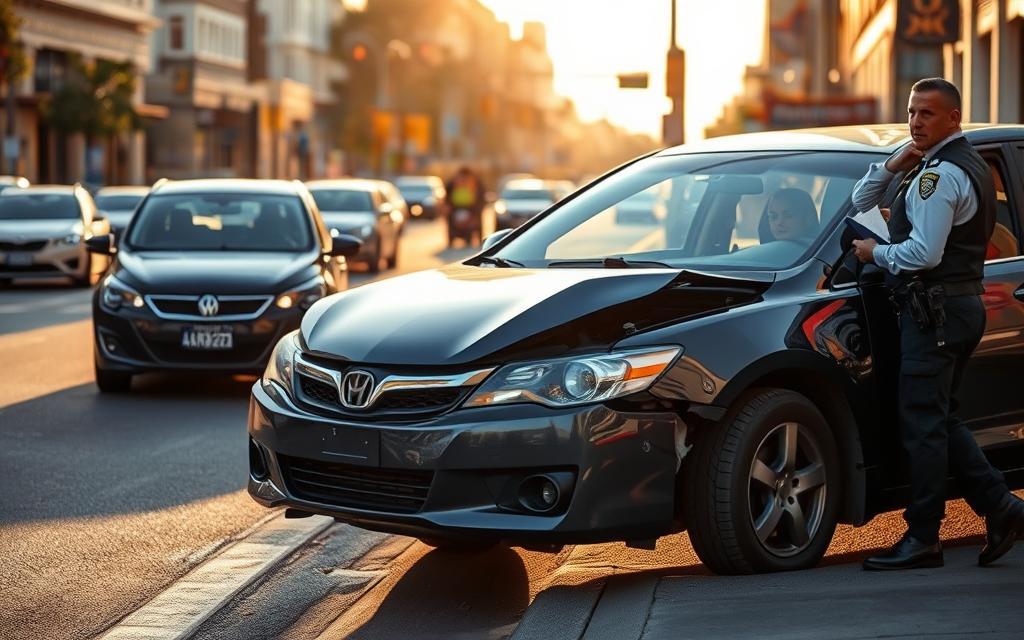
Dealing with rental car crashes can be tricky, mainly in no-fault insurance states. These places have special rules. These rules change how accidents are handled and who pays for them.
In no-fault insurance states, filing claims is different. Drivers usually turn to their own insurance, no matter who was at fault.
Definition and Key Characteristics
No-fault insurance changes how we look at accidents. It makes each driver’s insurance cover their own costs and medical bills, no matter who’s to blame. This system tries to make claims easier and cut down on lawsuits.
Implications for Rental Vehicle Insurance Options
- Personal injury protection is key
- There’s less need to figure out who’s at fault
- Claims get settled faster
- There might be limits on suing
Critical Steps After a Rental Car Accident
- Call your personal auto insurance right away
- Write down all the accident details carefully
- Tell the rental car company
- Get medical help if you’re hurt
- Check your insurance policy’s no-fault rules
Knowing about these insurance options can help you financially and legally when you’re in a rental car accident.
Seeking Legal Representation
After a rental car crash, things can get very confusing. Sometimes, you really need a lawyer to protect your rights and get fair pay.
Knowing when to get a lawyer for a rental car accident is very important. Legal help is key in many situations:
- Serious injuries needing a lot of medical care
- Disagreements over who was at fault
- Tough talks with insurance companies
- Big damage to property
- Many people were in the accident
When to Hire a Legal Professional
The legal steps for a rental crash can be very complicated. Not every accident needs a lawyer, but some do. You might need one if:
- Medical bills are more than your insurance covers
- You think you might have a long-term injury
- Insurance companies are fighting your claim
- Who was at fault is not clear
Critical Questions for Legal Attorneys
Looking for a lawyer for rental car accidents? Make a list of important questions:
- How much experience do you have with these cases?
- Do you work for free unless you win?
- How will you keep me updated on my case?
- What do you think about my case?
Finding the right lawyer can really change how your case goes. A good lawyer will help you through the legal stuff and try to get you the most money.
Common Mistakes to Avoid After an Accident
Having a car crash in a rented car can be scary. It’s important to know what to do right away. Many people make mistakes that can hurt their case and money.
Drivers often make big mistakes after a rental car accident. These mistakes can hurt their claim a lot:
- Failing to collect evidence at the scene
- Admitting fault too soon
- Not calling the police
- Not taking pictures of the damage
- Not getting checked by a doctor
Evidence Collection Mistakes
Gathering evidence is key after a crash. Not having enough evidence can hurt your claim a lot. Drivers should:
- Take lots of photos of the damage
- Get contact info from witnesses
- Write down where and when it happened
- Take pictures of the road
Communication Pitfalls
What you say after a crash is very important. Try not to say anything that sounds like you’re saying it was your fault. Just tell the truth about what happened.
| Mistake | Potential Consequence |
|---|---|
| Admitting Fault | Potential liability complications |
| No Police Report | Difficulty proving accident details |
| Missing Evidence | Weakened insurance claim |
Legal and Insurance Implications
Not calling the police can make things harder for your claim. Even small accidents need a police report. It helps a lot when talking to insurance.
How Long Do You Have to File a Claim?
After a rental car accident, it’s key to know how long you have to file a claim. The process can be complex. Knowing your rights is important to protect you.
The time to file a claim varies by state and type of incident. It usually ranges from 1 to 6 years.
Statute of Limitations Overview
Several things affect your claim’s timeline:
- Property damage claims
- Personal injury claims
- Insurance company reporting deadlines
Critical Factors Affecting Your Claim Timeline
Many things can change your claim’s timeline:
- Type of damages
- State laws
- How severe the accident was
| Claim Type | Typical Time Limit | Key Considerations |
|---|---|---|
| Property Damage | 2-3 Years | Vehicle repair costs |
| Personal Injury | 1-4 Years | Medical expenses |
| Insurance Notification | 24-72 Hours | Report right away |
Importance of Timely Filing
Waiting too long can cause legal problems or lose your right to compensation. Always document everything. Contact your insurance quickly after the accident.
Preventative Tips for Driving Rental Cars
Driving a rental car needs extra care and prep to avoid accidents. Knowing the car and local rules can help a lot.
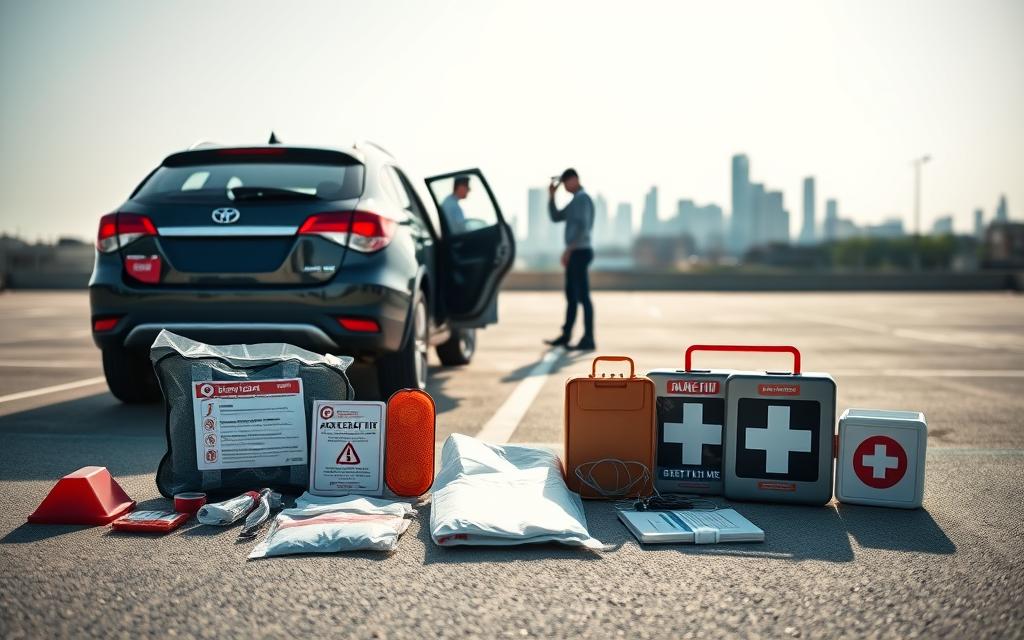
Before you start your trip, get to know your rental car. Each car is different. Knowing your car’s special features can help avoid legal trouble.
Understanding the Vehicle
- Adjust mirrors and seats before driving
- Learn the location of critical controls
- Test brake sensitivity and acceleration
- Check blind spots unique to the vehicle
Familiarizing Yourself with Local Laws
Every state has its own traffic rules. Knowing these can help you avoid legal issues. Look up local laws, speed limits, and driving rules before you go.
- Review local traffic signage
- Understand right-of-way rules
- Check parking restrictions
- Note any special driving conditions
Taking Extra Caution
Your rental agreement should talk about safe driving. Stay alert and avoid distractions. Also, plan your route ahead of time.
- Avoid using mobile devices while driving
- Maintain safe following distances
- Use navigation systems responsibly
- Plan routes in advance
Remember, prevention is always better than dealing with accidents or legal trouble.
Conclusion: Navigating the Aftermath of a Rental Car Accident
Dealing with a car accident in a rental car can feel overwhelming. But being ready makes a big difference. The steps to take after an accident are important and need to be done fast.
Knowing your rights and duties helps reduce stress and financial worries. A checklist for rental car accidents can help you know what to do next. It guides you from taking photos at the scene to talking to insurance companies.
Insurance can be different for everyone. So, check your auto policy, rental agreement, and credit card benefits before you travel. If the accident is serious, get help from a lawyer. Staying calm and collecting the right information is key.
Being prepared and knowing what to do is your best defense against car accidents. With the right mindset, you can face any road challenge and avoid big financial and legal problems.