Refused a Field Sobriety Test? Legal Implications and Defense Strategies.
Learn about the legal implications of refusing a field sobriety test, including immediate consequences, long-term impacts, and defense strategies. Explore expert insights and real-life case studies to understand your rights and options.
Introduction
When faced with a DUI (Driving Under the Influence) stop, one of the most critical decisions a driver can make is whether to submit to a field sobriety test. Refusing this test can have serious legal implications. This article delves into what happens if you refuse a field sobriety test, exploring the consequences, legal ramifications, and defense strategies available. We will break down each aspect thoroughly to provide a comprehensive understanding of your rights and options in such situations.
1. Understanding Field Sobriety Tests
1.1. Definition of Field Sobriety Tests
Field Sobriety Tests (FSTs) are roadside assessments used by law enforcement officers to determine a driver’s level of impairment. These tests are designed to evaluate a driver’s physical and cognitive abilities, which can be affected by alcohol or drugs. The primary aim is to establish probable cause for a DUI arrest.
1.2. Common Types of Field Sobriety Tests
Several types of FSTs are commonly administered, including:
- Horizontal Gaze Nystagmus (HGN): The officer observes the driver’s eyes as they follow a moving object to detect involuntary jerking movements.
- Walk-and-Turn Test: The driver must walk heel-to-toe along a straight line, turn on one foot, and return in the same manner.
- One-Leg Stand Test: The driver must balance on one leg for a specified period while counting aloud.
1.3. Purpose and Accuracy of Field Sobriety Tests
The primary purpose of FSTs is to provide evidence of impairment. However, their accuracy can be influenced by various factors, including the driver’s physical condition, environmental conditions, and the officer’s experience. Critics argue that FSTs are not always reliable indicators of impairment due to these variables.
2. Legal Framework Surrounding Field Sobriety Tests
2.1. Laws and Regulations
Laws regarding FSTs vary by jurisdiction, but generally, officers are allowed to request these tests if they have reasonable suspicion of impairment. In many states, there is no legal obligation to take a field sobriety test, but refusing can lead to other legal consequences.
2.2. Consent and Legal Obligations
When you are stopped by a law enforcement officer, you are required to comply with certain requests. However, you are not legally obligated to submit to field sobriety tests in many states. The decision to refuse can, however, result in legal repercussions that differ based on local laws.
2.3. The Role of Field Sobriety Tests in DUI Cases
Field sobriety tests can be crucial in DUI cases, serving as evidence to support the officer’s suspicion of impairment. While these tests can be challenged in court, they often provide the initial basis for a DUI arrest.
3. Consequences of Refusing a Field Sobriety Test
3.1. Immediate Legal Consequences
Refusing a field sobriety test can lead to immediate legal consequences, including an arrest based on the officer’s observation and any other evidence available. This refusal may be perceived as an indication of guilt or an attempt to evade detection.
3.2. Long-term Impact on Your Driving Record
Refusal to take a field sobriety test can impact your driving record, potentially leading to a DUI conviction or other penalties. This can affect your driving privileges and result in a permanent mark on your record.
3.3. Potential Fines and Penalties
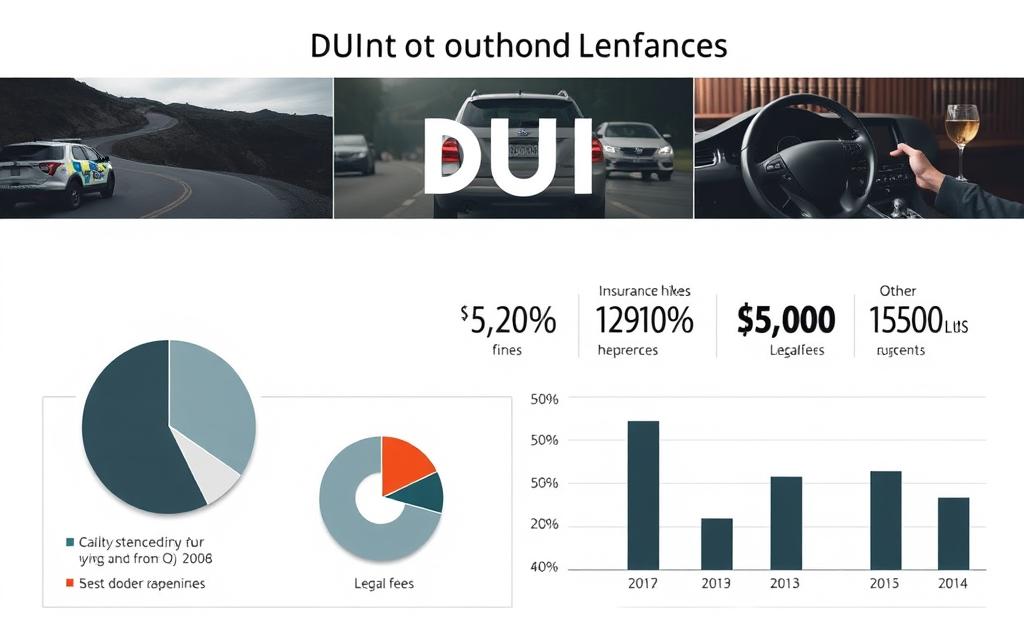
In many jurisdictions, refusing a field sobriety test can result in fines and other penalties. These can vary depending on the state and the specifics of the case, but they generally include monetary fines and potential court costs.
3.4. Impact on Insurance Rates
A refusal to take a field sobriety test can also lead to increased insurance rates. Insurance companies may view the refusal as a sign of a higher risk, leading to higher premiums or even cancellation of your policy.
4. Legal Ramifications of Refusing a Field Sobriety Test
4.1. Arrest and Detainment Procedures
If you refuse a field sobriety test, you may still be arrested based on the officer’s observations and other evidence. This can lead to detainment and the initiation of legal proceedings, including potential bail requirements.
4.2. Effects on Court Proceedings
In court, the refusal to take a field sobriety test may be used against you. Prosecutors may argue that the refusal indicates consciousness of guilt, impacting the judge’s or jury’s perception of your case.
4.3. Influence on Sentencing and Penalties
The refusal to submit to field sobriety tests can influence sentencing and penalties if you are convicted of DUI. Courts may impose stricter penalties, including harsher fines and longer license suspensions.
4.4. Implications for License Suspension
Refusing a field sobriety test can lead to administrative actions such as license suspension. The length of the suspension and the conditions for reinstatement vary by jurisdiction and the specifics of the case.
5. Defense Strategies for Refusing a Field Sobriety Test
5.1. Challenging the Legality of the Stop
One effective defense strategy is to challenge the legality of the traffic stop that led to the request for a field sobriety test. If the stop was not based on reasonable suspicion or probable cause, the evidence obtained may be inadmissible.
5.2. Questioning the Accuracy of the Test
You can also question the accuracy of the field sobriety tests themselves. Issues such as improper administration, environmental conditions, or medical conditions affecting performance can be argued to undermine the validity of the test results.
5.3. Arguing Lack of Proper Procedure
Another defense strategy involves arguing that the officer did not follow proper procedures when administering the field sobriety tests. This could include failing to provide clear instructions or not adhering to standardized testing protocols.
5.4. Contesting the Evidence Presented
Finally, you can contest the evidence presented against you, including the officer’s observations and any statements made during the stop. By highlighting inconsistencies or questioning the reliability of the evidence, you can weaken the prosecution’s case.
6. Case Studies and Real-life Implications
6.1. Notable Cases Involving Refusal of Field Sobriety Tests
Several notable cases illustrate the implications of refusing field sobriety tests. These cases often involve complex legal arguments and varied outcomes, providing valuable insights into how such refusals are treated in different jurisdictions.
6.2. Analysis of Case Outcomes
Analyzing the outcomes of these cases can help understand the potential impact of refusing a field sobriety test. Factors such as the nature of the refusal, the evidence available, and the jurisdiction’s laws play a crucial role in determining the final verdict.
6.3. Lessons Learned from Real-life Scenarios
Real-life scenarios offer practical lessons on navigating the legal consequences of refusing field sobriety tests. Understanding these lessons can help individuals make more informed decisions and better prepare for potential legal challenges.
7. Expert Insights and Opinions
7.1. Legal Expert Perspectives
Legal experts offer valuable perspectives on the implications of refusing a field sobriety test. Their insights can help clarify the potential legal consequences and provide guidance on effective defense strategies.
7.2. Opinions from DUI Defense Attorneys
DUI defense attorneys share their experiences and advice on handling cases involving refusal of field sobriety tests. Their expertise can offer practical tips for navigating the legal process and minimizing potential penalties.
7.3. Advice from Law Enforcement Officials
Law enforcement officials provide a perspective on the procedures and reasoning behind field sobriety tests. Their advice can help understand the officer’s role and how to approach interactions during a DUI stop.
8. Preventive Measures and Best Practices
8.1. Understanding Your Rights During a DUI Stop
Knowing your rights during a DUI stop is crucial for making informed decisions. Understanding what you are legally required to do and what you can refuse can help protect your rights and navigate the situation effectively.
8.2. Preparing for Possible DUI Situations
Preparation can make a significant difference if you find yourself in a DUI situation. Familiarize yourself with local laws, know your options, and consider seeking legal advice in advance to be prepared for any potential encounters.
8.3. Strategies for Avoiding DUI Charges
Preventive measures, such as designating a sober driver or using alternative transportation options, can help avoid DUI charges altogether. Implementing these strategies can reduce the risk of facing legal issues related to impaired driving.
9. Conclusion
Refusing a field sobriety test can lead to significant legal and personal consequences. Understanding these implications and knowing your rights are essential for making informed decisions during a DUI stop.
While refusing a field sobriety test may seem like a way to avoid incrimination, it can have serious repercussions. Weighing the potential consequences and considering available defense strategies is crucial for managing the legal impact effectively.
If you are facing a DUI charge or have concerns about field sobriety tests, seek professional legal advice. Educate yourself on your rights and options to navigate the legal system effectively and protect your interests.